The Landscape
The Colne Valley Park covers 43 square miles of varied scenery ranging from semi-urban to unspoilt countryside.
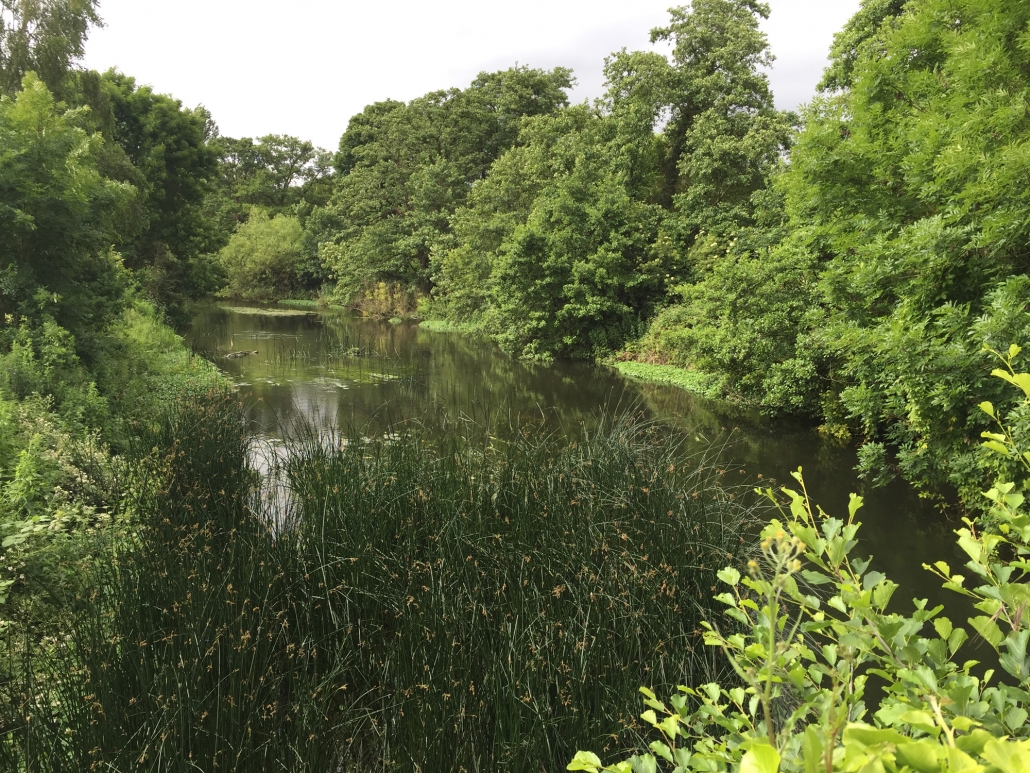
The area to the north of the M40 is a distinct valley with rolling chalk hills forming its sides. The wide valley bottom has a wetland landscape including the River Colne, Grand Union Canal and a succession of lakes. Ancient sunken lanes often link the settlements.
Between the M40 and the M4, the valley is less pronounced as the chalk slopes become more gentle, and this part of the Park has large blocks of woodland and many historic parkland.
The southern section of the Park consists of a flat plain created by the convergence of the flood plain of the River Colne and the Thames. This area is dominated by five large reservoirs with steep grassland slopes.
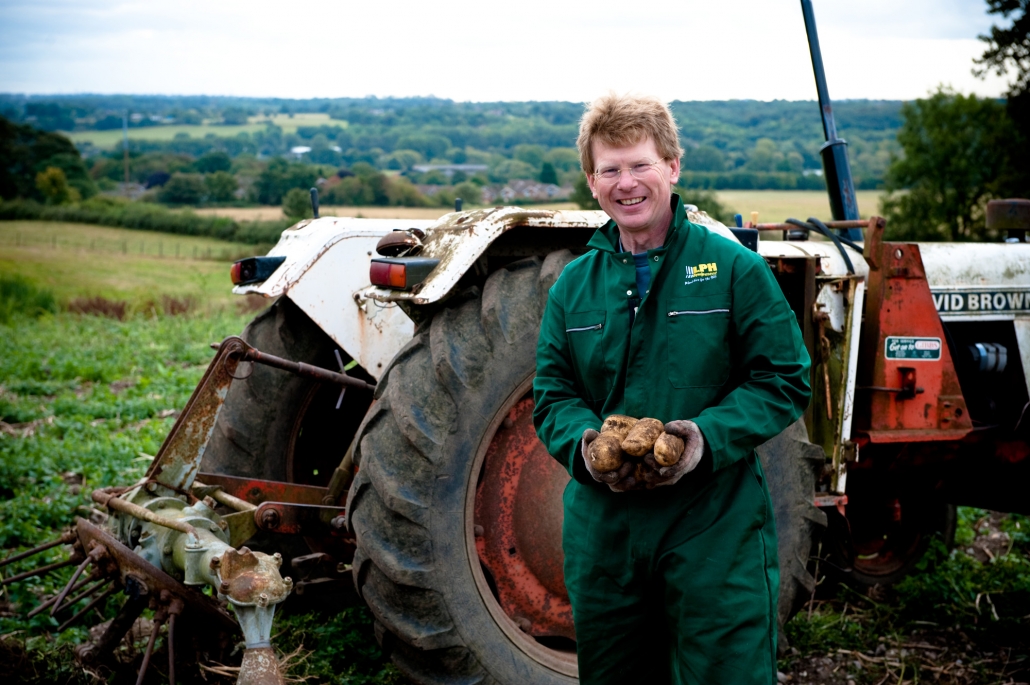
Historically the Colne Valley was essentially an agricultural landscape and significant areas of this have survived to the present day.
For more information on the landscape please see the Landscape Character Assessment.
Rivers
The Colne Valley Regional Park has a complicated interwoven water network consisting of five rivers, the grand union canal and numerous ditches and waterbodies.
Rivers of the lower Colne Valley
Thanks to research done by one of our Trustees, you can learn more about two of them here:
Gravel Extraction
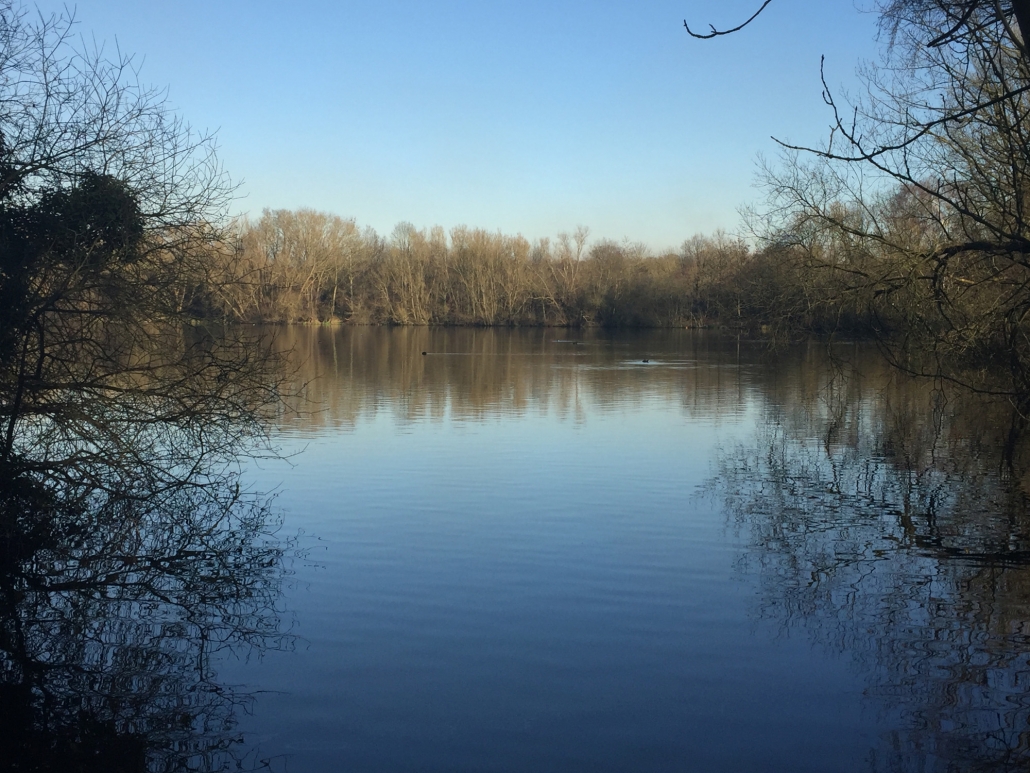
Gravel extraction has had a major impact on the landscape of the Colne Valley Park over the last century or so. It has created a string of more than 70 lakes, running through the Park from Batchworth Lake, Rickmansworth, to Church Lammas, Staines. The network of footpaths and bridleways in the Park offer excellent views of what have become varied and picturesque sites, many now very important habitats for wildlife. A number of the lakes are used for recreation such as angling, canoeing and other water sports. These form some of the most attractive visitor sites in the Colne Valley, such as Rickmansworth Aquadrome, Frays Valley Local Nature Reserve and Little Britain.
Gravel extraction in the Colne Valley continues today.
Recent archaeological excavations have revealed Roman remains, including a well. Traces of a 5,700-year-old Neolithic village were discovered at a gravel pit in Horton in 2013, the oldest village settlement found in the UK.
Landscape Recovery
Many of the access points and green spaces have become neglected over the last decade, which negatively impacts the quality of our countryside and has led to a dramatic decline in biodiversity.
This inspired the creation of our Landscape Recovery Team whose mission is to enhance, protect, and restore the Colne Valley so both people and wildlife can thrive, now and for generations to come. Find out more about their work here: Landscape Recovery: Restoring the Colne Valley for People and Wildlife
.