The braided river systems lie at the heart of the character of the Colne Valley.
During the dark days of COVID, because he had more time, a trustee of the CVRP, Paul Graham, started a project to log the rivers of the Colne Valley and to walk and photograph them where possible. He completed the Fray’s River and started the Bigley Ditch. The lower Colne is a fascinating part of the catchment with a very rich history.
Bigley Ditch is an approximately 2 mile long river that branches eastwards off the River Colne just north of the main Paddington railway line and south of the Colne Valley Permissive Bridleway on land belonging to Affinity Water and joins the western bank of the Wraysbury or Wyrardisbury River (another branch of the River Colne) in Harmondsworth Moor Country Park south of the M4 and east of the M25. At one point it rejoins the River Colne on its eastern bank and then leaves it again shortly afterwards on its western bank.
In places, the boundary between London/Middlesex and Buckinghamshire is marked by the Bigley Ditch (or its former course) rather than the River Colne. This may be because what we now know as the Bigley Ditch was formerly the main stream. It is possible that the building of a mill at West Drayton (thought to have existed at Domesday in 1086) effectively by-passed the Bigley Ditch.
The earliest mention is in 1361 in a fisheries lease where it is spelt BYKELE.
According to a document in Buckinghamshire County Archives, on 9 Dec 1370 Thomas Fish or Fisher was ordered to be distrained upon for trespassing in keeping 3 ‘hiltres’ (some kind of fish trap) and a weir in the watercourse at Bykele. There is a discussion about this (and the county boundary issue) on pages 82-83 of “The Manor and Parish of Iver” by W H Ward and K S Block.
In British History On-Line the name is spelt BIGLEY or BRICKLEY.
There is no known origin for the word Bigley, Brickley or Bykele.
In Stephen Springall’s 1907 book “Country Rambles Round Uxbridge” (chapter 7, page 162) it is spelt PRICKLY, although that is likely to be Springall’s own idiosyncratic sense of humour, perhaps incorporating the way in which local people commonly pronounced it. He was born in Iver.
Although the original course of the Bigley Ditch still marks the county boundary, there are many places where the river itself has been moved. This is because of the building of the Iver Water Works Road, the main Paddington railway line, the Link Park industrial site west of Mabey’s Meadow, the M4 and the M25.
There are two 19th century Coal Tax markers by the Bigley Ditch on the north side of Thorney Mill Road and one (a deteriorating stone obelisk) just north of the point where it runs in a tunnel under the main Paddington railway line. There was a fourth at the southern end of the Bigley Ditch near its original confluence with the Wraysbury River, but that is missing, and the site is now under the M25.
Apart from the start on the Colne Valley Permissive Bridleway, a short stretch of the River Colne using Iver FP21, Thorney Mill Road bridge, and Harmondsworth Moor Country Park, little of the Bigley Ditch is publicly accessible.
Whilst in some contexts, a ‘ditch’ represents an entirely artificial watercourse, the Bigley Ditch is clearly part of the natural River Colne system as highlighted by historic maps and the county boundary line.
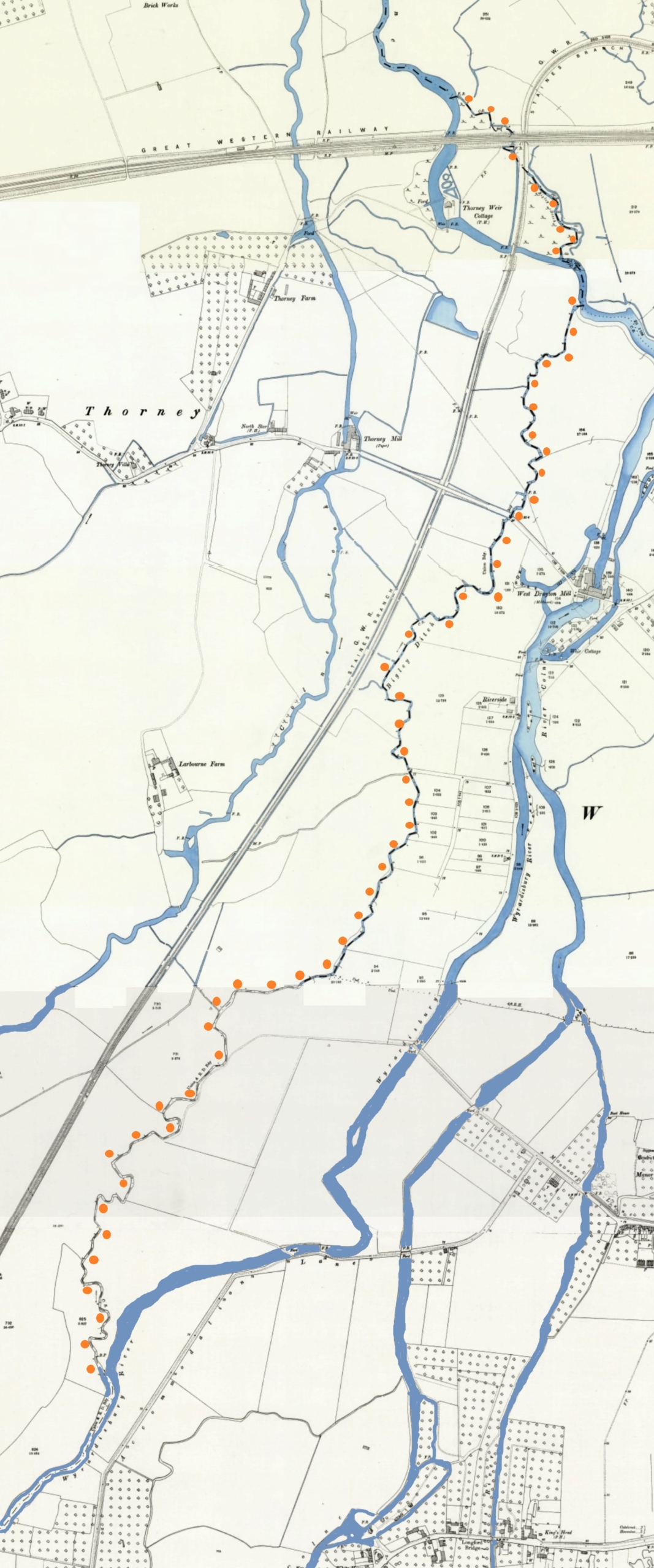
Bigley Ditch circa 1900
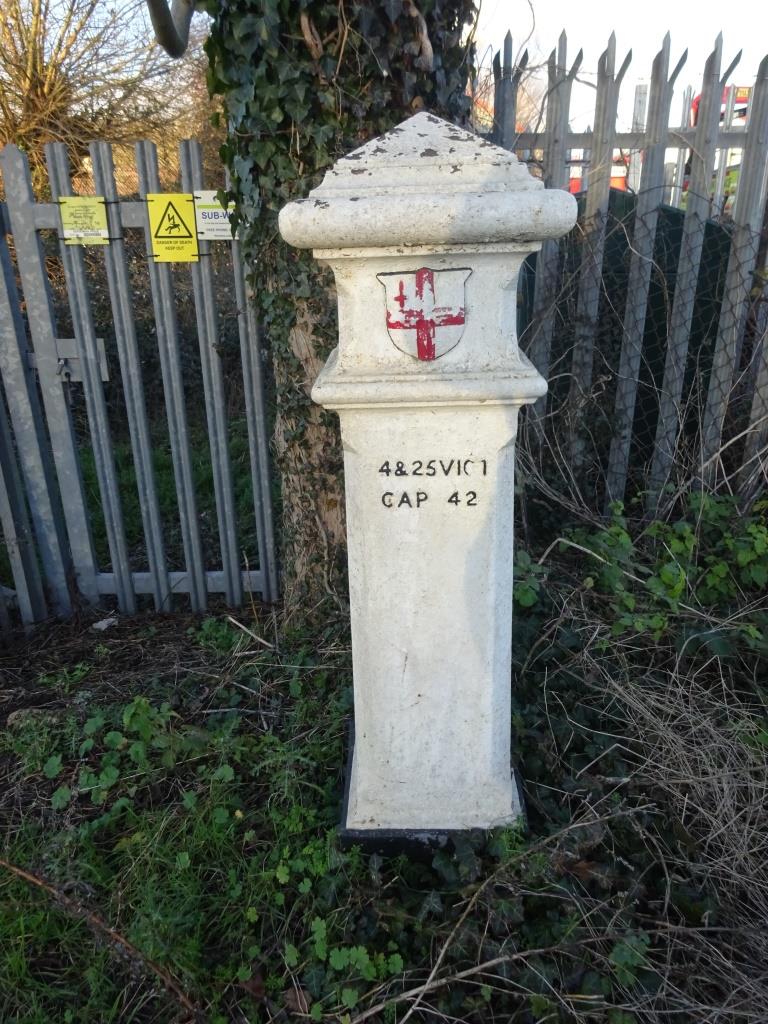
Iver, Bigley Ditch, Coal Tax Post, Thorney Mill Road north
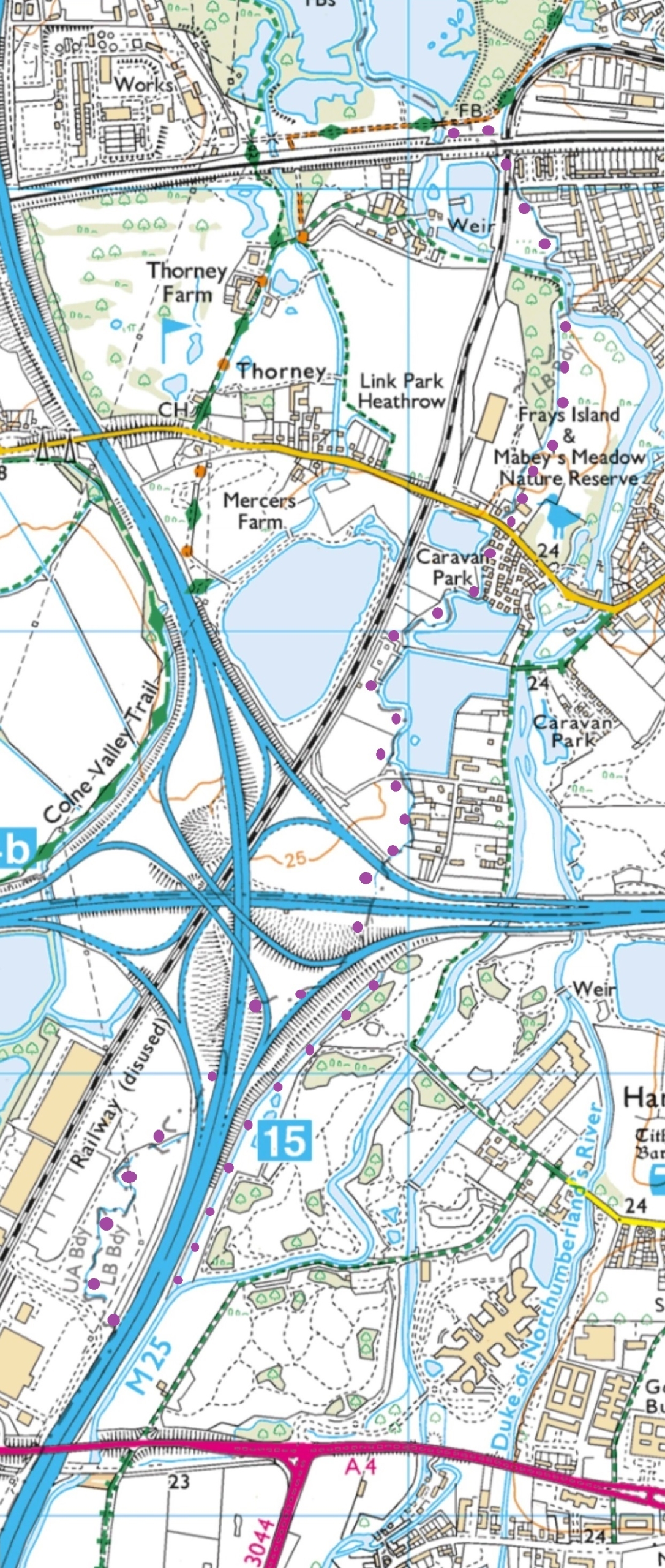
Bigley Ditch 2026 marked up to show both the original and the diverted cannelised routes in the M4-M25 intersection area.
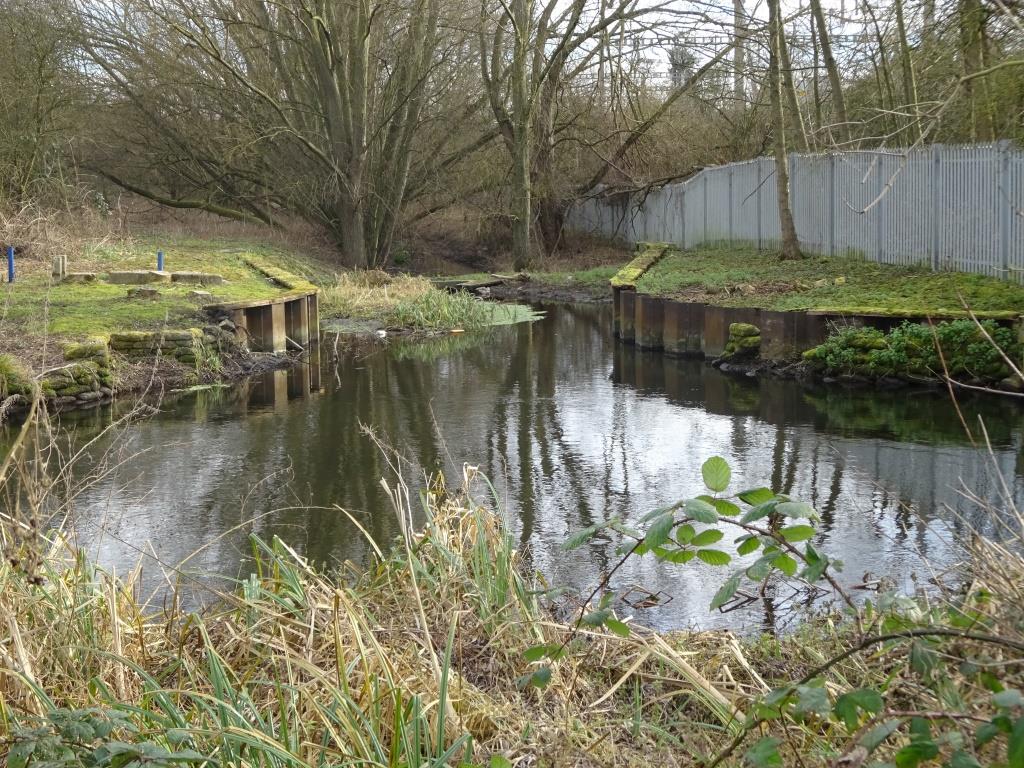
Iver, Bigley Ditch, junction with River Colne 2 Feb 2022
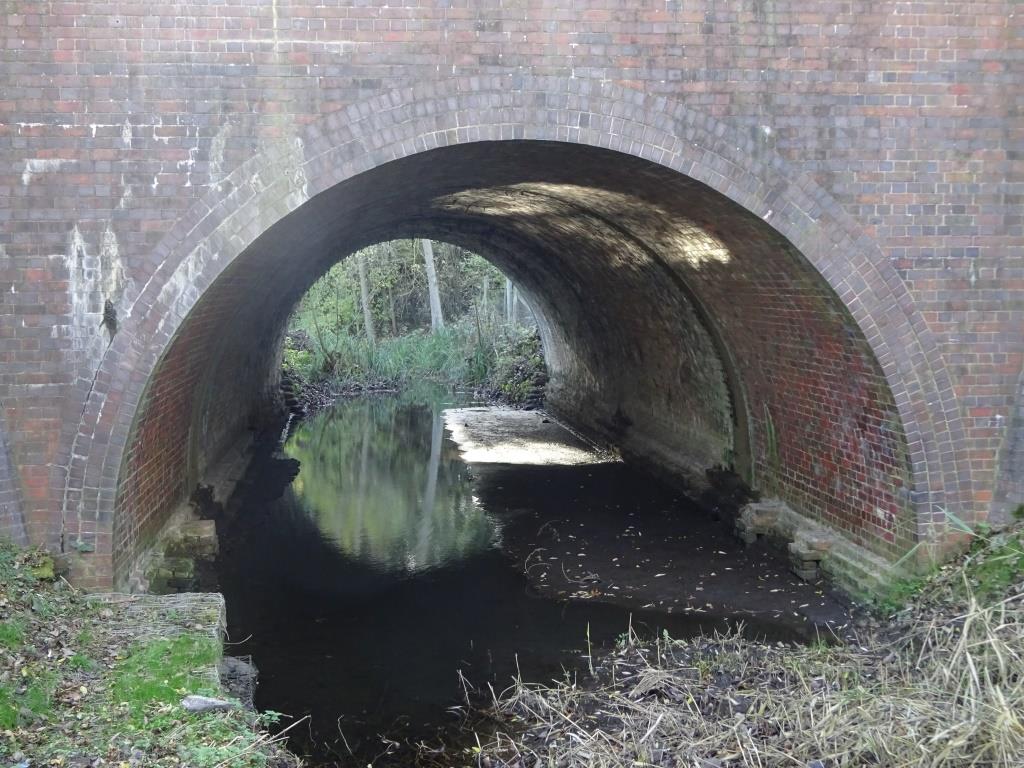
Bigley Ditch, north of tunnel under main line railway
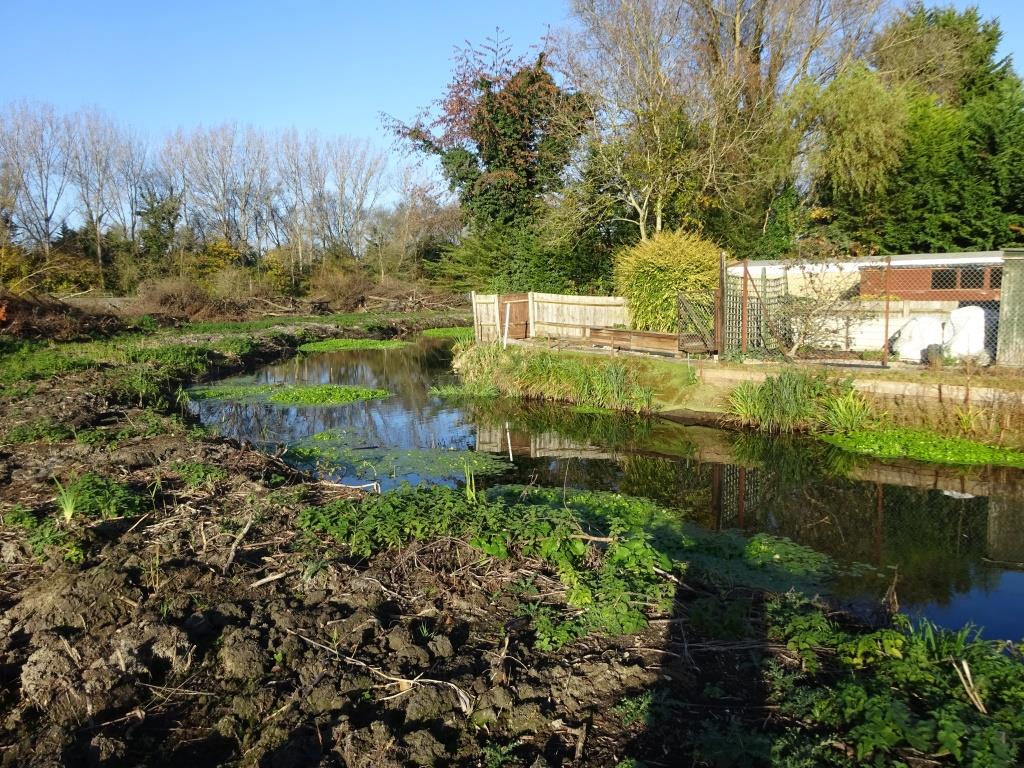
Bigley Ditch, SW of West Drayton
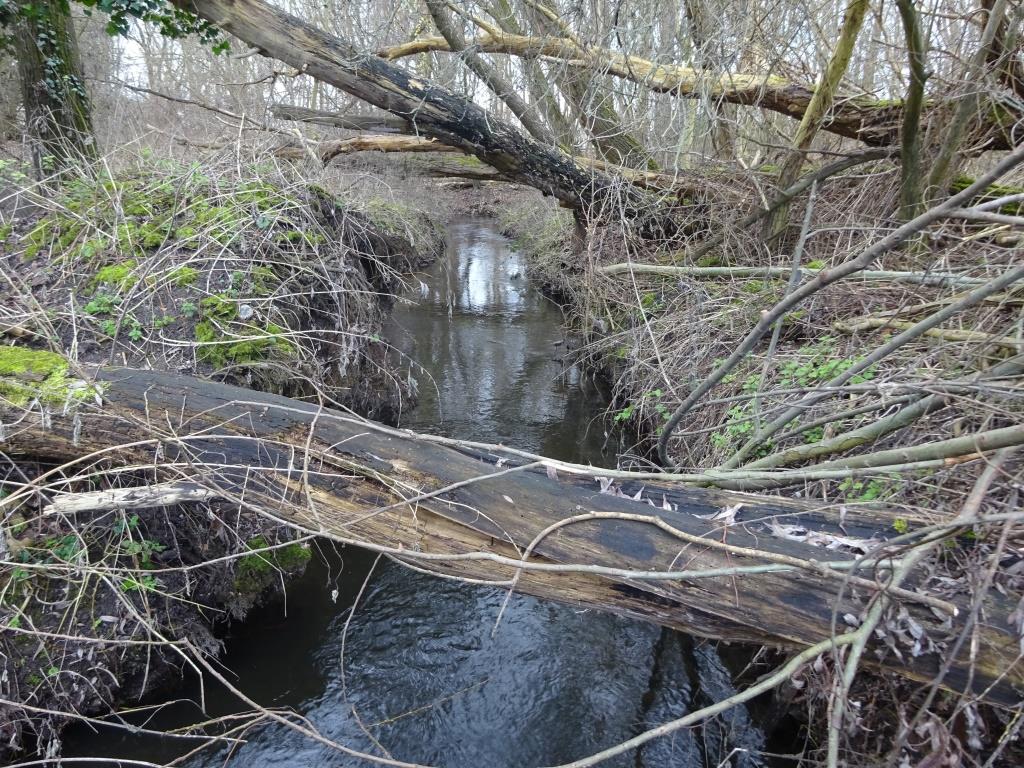
Bigley Ditch, junction 3 with River Colne
Further Information
West Drayton: Introduction, British History Online.
National Library of Scotland Map Images – A great free website to view old and new maps side by side.