The Colne Valley Regional Park (CVRP) is nationally important for wildlife, offering a wealth of open space, woods, rivers and lakes for people to enjoy.
But in the last 15 years there has been a surge of development proposals. The lack of a co-ordinated approach to managing these, and no plan for restoration of remaining Green Belt, means we are sleepwalking into losing the CVRP. Government and local councils need to seize the opportunity to change how they manage development and the Green Belt.
The choice is stark: a win-win for growth and the natural environment, or a lose-lose for both.
Our campaign ‘A Corridor for Life’ aims to make the Colne Valley Regional Park (CVRP) one of the best green corridors round any city in the UK. We think the solution is obvious:
A co-ordinated cross-border masterplan for development would drive restoration of the landscape for people and wildlife. These wildlife-rich green corridors can be enjoyed by everyone, and this approach would create healthier and resilient communities with a stronger economy.
Why does this matter?
The Regional Park includes an exceptionally high concentration of designated wildlife sites:
- 13 Sites of Special Scientific Interest (SSSIs) and 1 Special Protection Area,
- 1 National Nature Reserve and 7 local nature reserves,
- Many county wildlife sites and Biodiversity Opportunity Areas
- More than 30 irreplaceable ancient woodlands.
In addition, the precious landscape that connects these sites is crucial – as evidenced by the studies that prove the network of more than 70 lakes and 200km of rivers is nationally important for waterbirds.
This matters greatly, especially given the Park’s proximity to 10 million people living within 15km of it. The Regional Park can provide access to nature and high quality walking/cycling routes through attractive countryside and waterways right on the edge of our capital city – with all the health and well-being benefits this brings. This is something that London, Slough, Staines, Herts, Bucks, Surrey, Berks and the whole nation should be proud of. It is unique and should be cherished and protected as a green lung for London.
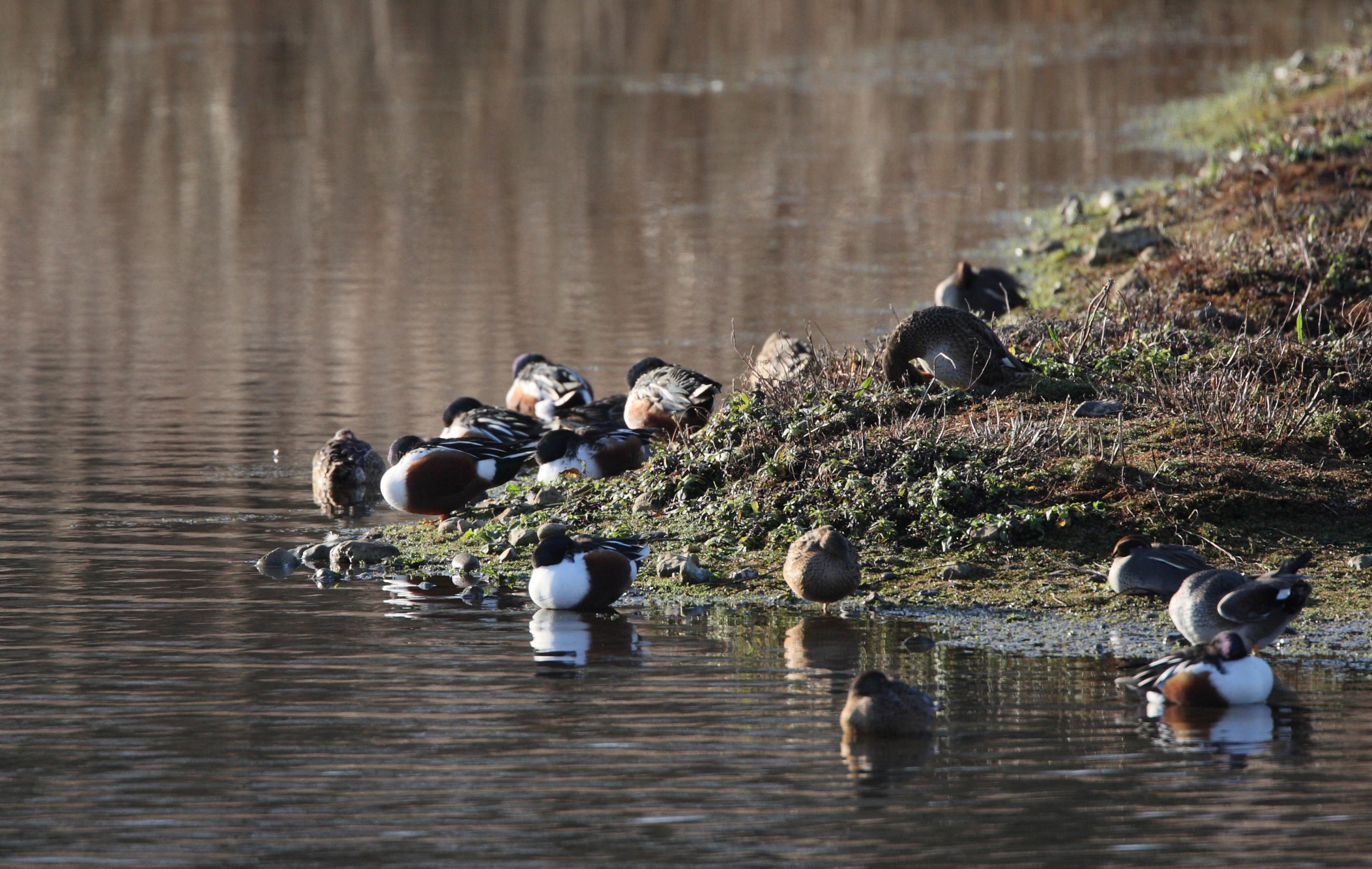
Roosting ducks (c) Tim Hill
So, if the Colne Valley is so important, what’s the problem?
Despite its national significance, the Colne Valley is not a ‘Protected Landscape’ such as National Parks or the nearby Chilterns. In the 20th Century this didn’t matter, as its location within the Green Belt gave wider protection, but it matters now thanks to:
- Systematic weakening of Green Belt protection;
- Abolition of mechanisms for co-ordination of planning across the edge of five counties;
- Less funding for councils , the Environment Agency and Natural England for taking action against illegal development, fly-tipping and pollution.
The Colne Valley Regional Park may be the most pressurised part of the UK’s Green Belt, with proposals for:
- More than a dozen huge data centres (20-30m high and up to 1km2 each in area);
- New motorway service areas;
- Tens of thousands of houses;
- Warehouses, film studios and many other speculative developments.
All of these are sandwiched between two of the biggest civil engineering projects in Europe: HS2 and proposed Heathrow expansion.
If no action is taken by national government and local councils to manage this tsunami of development proposals, then local communities will be forced to suffer the full effects of this unco-ordinated development frenzy. It is no exaggeration to say that the CVRP as we know it, may cease to exist within a few years unless something is done to address the situation.
But it is not too late, if we act NOW:
We made great progress in 2025, meeting MPs and Council Leaders and a prompting a debate in the House of Commons. This resulted in a clear statement of support from Matthew Pennycook, Minister for Housing, Communities and Local Government, a major breakthrough.
We have the opportunity in 2026 to help the government make good on this pledge and turn the Minister’s very positive words into action. We urge national government and the nine local councils to work together to realise the benefits of the Colne Valley Regional Park for current and future generations.
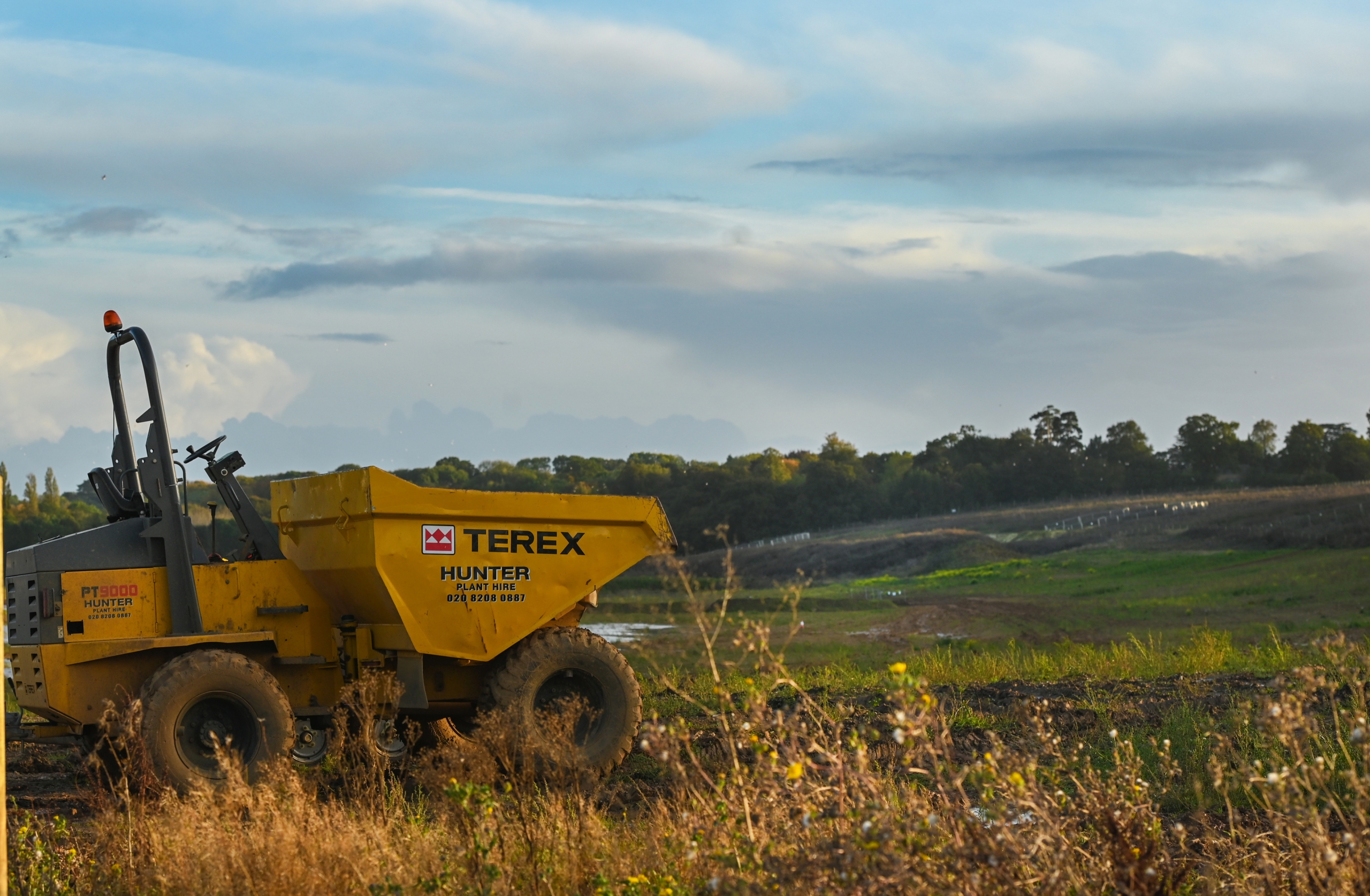
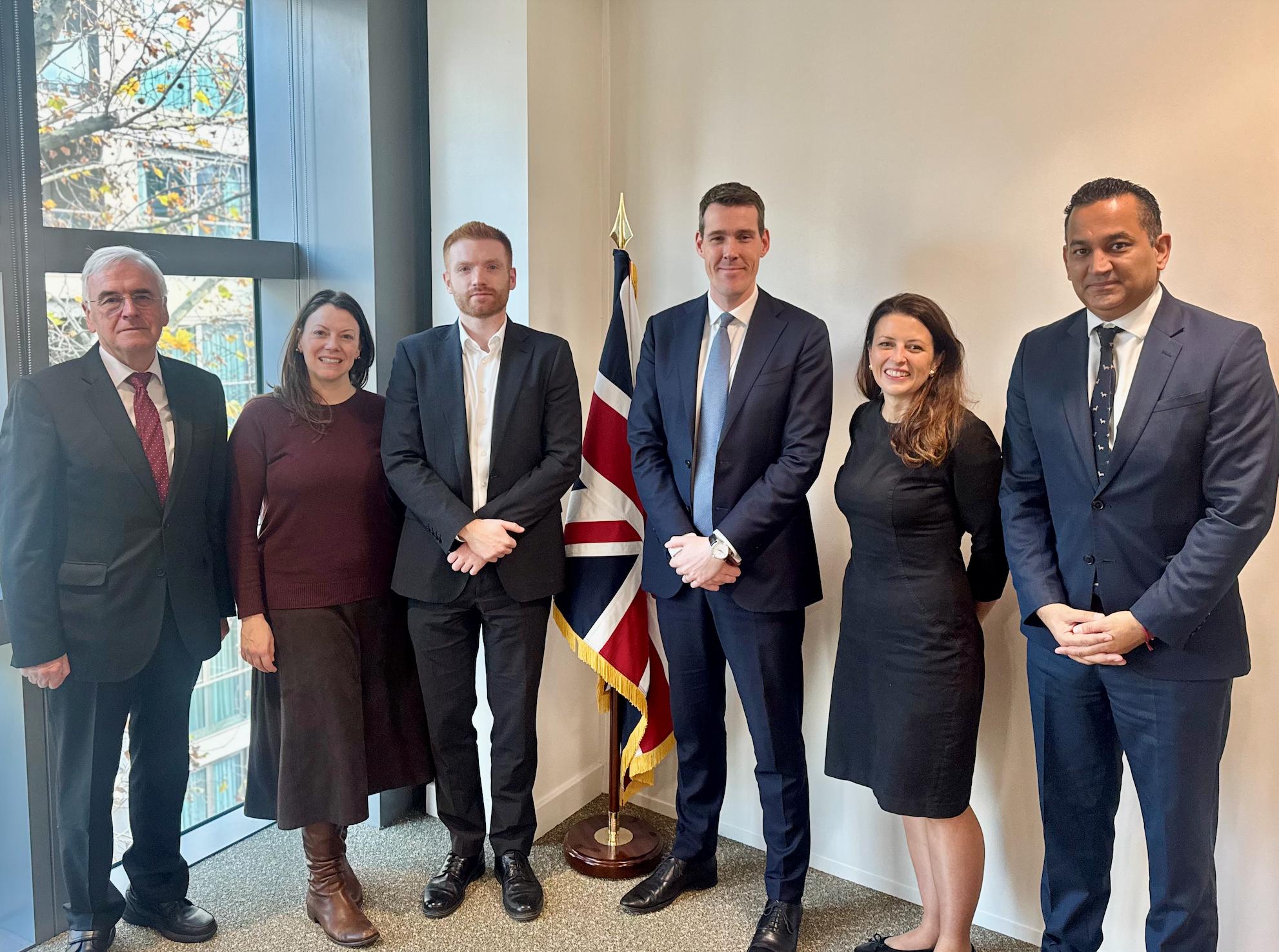
MPs from three parties meeting to discuss protection of the Colne Valley.
We have the solution: A Corridor for Life
Our Corridor for Life campaign highlights the enormous opportunity to make the most of the fabulous resource that is the Colne Valley Regional Park.
This is not an anti-development campaign – it is a pro-planning campaign. In fact, well-planned development in and around the Colne Valley can pay for restoration and enhancement of this Corridor for Life, at no additional cost to the public purse.
For the Corridor for Life to succeed we’ll need to:
- Influence Local Planning: create a cross-boundary plan, supported by Colne Valley and river restoration policies in each Local Plan;
- Restore the Landscape: Work together to deliver the five counties Local Nature Recovery Strategies and implement a Local Landscape Recovery Strategy;
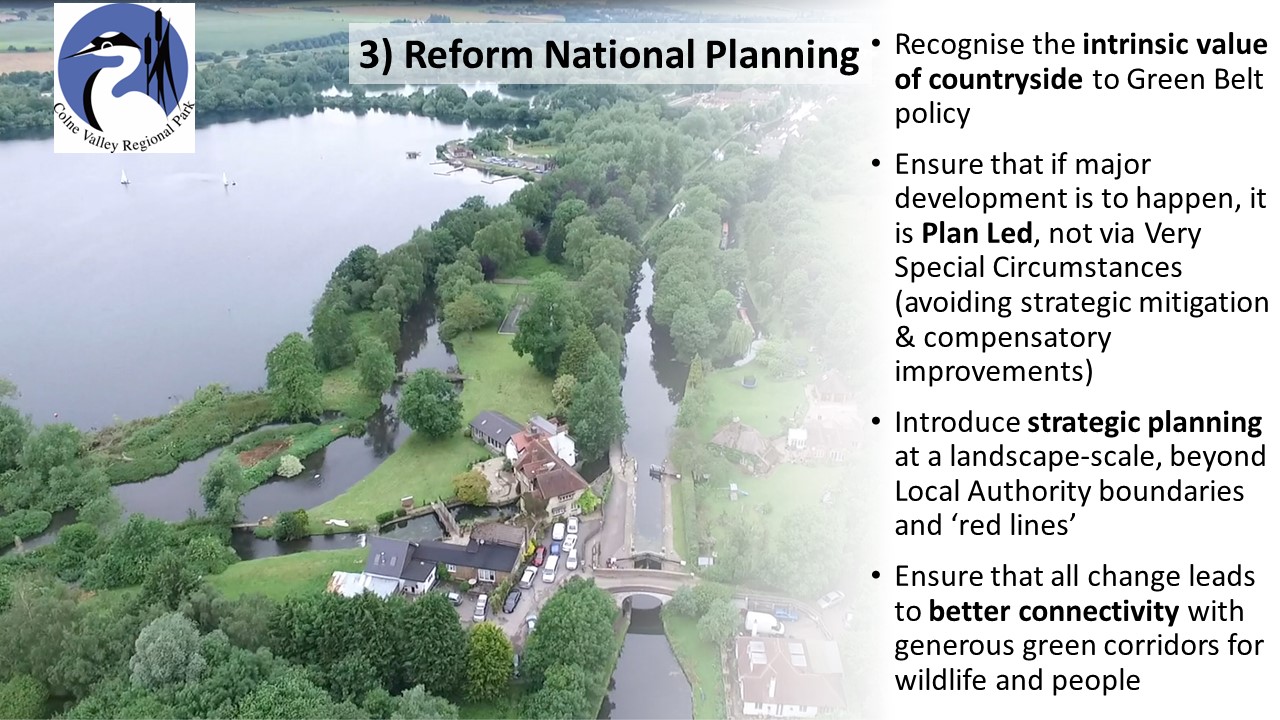
- Reform National Planning: Push for minor tweaks to National Planning Policy Framework to create ‘win-wins’ for growth and the natural environment;
- Establish Status: Achieve specific protection for the Colne Valley Regional Park and resources for its management and maintenance;
- Protect Nature: Recognise and protect the whole valley floor, rather than focusing on isolated, unconnected sites.
For more detail on these action points, see our briefing note for MPs and Local Authorities.
Which future for the Colne Valley will your elected politicians chose:
- ‘A Corridor for Life’, leading to steady restoration: Well-planned development to an overall masterplan drives restoration of the landscape for people and wildlife resulting in healthier and resilient communities with a stronger economy and an environment in which it is pleasant to live and work.
OR
- The status quo, leading to swift decline: Unco-ordinated development without a masterplan severs links for people and wildlife between remaining nature reserves and country parks leading to decline and a landscape full of fly-tipping, pollution and dereliction. New businesses and houses will sit out of any context in this unattractive landscape, contributing to poor mental health and lower wellbeing along with a loss of productivity.
A simple, if brutal, choice: a win-win for growth and the natural environment, or a lose-lose for both.
Your local landscape is at a crossroads.
More Information
If you want to know why the Colne Valley Regional Park is important for wildlife and people and why it needs to be restored, click here to view our Story Map and scroll down.
Public attitudes toward the British countryside, housing and the future of the Green Belt.
https://www.moreincommon.org.uk/
Briefing note to follow.
*** Campaign Updates ***
Letter from Natural England to Councils, March 2026
Building near Railway Stations
Parliamentary debate on Protection for the Colne Valley Regional Park
Let’s create the best green corridor around any city in Europe
Two views, two bridges, one issue
Workshop discusses how national planning policy can be adapted to improve and restore the green belt